Is it smarter to list your Monarch Beach home in April or October? If you are buying, should you wait for winter to gain leverage? Along the coast, timing is not just a date on the calendar. It shapes visibility, competition, and the terms you can win.
You want a clear plan that fits how coastal Orange County actually behaves, not a one-size-fits-all rule. This guide explains the seasonal rhythm, why oceanfront enclaves differ, and how to use timing to your advantage whether you are selling or buying. You will also get practical timelines and checklists you can follow. Let’s dive in.
Coastal OC’s seasonal rhythm
Most years, activity along the coast builds from late winter into spring, stays strong through early summer, then cools from late summer into fall and is quietest in the holidays. That pattern looks familiar if you have bought or sold before, but coastal nuances matter. Monarch Beach and similar gated oceanfront pockets often have limited inventory and more cash or second-home buyers, which can mute the seasonal swings. In short, timing affects visibility and leverage, but inventory and property type shape how much.
Why the coast differs
Demand drivers you should know
- School-year timing brings more family buyers into the market from spring through summer. That often translates to faster offers and tighter timelines.
- Corporate relocations and job start dates cluster around spring, early summer, and quarter boundaries, which lifts demand in those months.
- Second-home and warm-weather buyers can be active in winter. Coastal escapes and out-of-area visits keep luxury demand from going completely quiet.
- Tourism boosts foot traffic and open-house visits in summer. That does not always convert to buyers, but it can improve exposure.
Supply and inventory dynamics
- Many sellers prepare over winter so they can launch in late winter or spring. Repairs, landscaping, and staging are easier to book if you start early.
- In Monarch Beach and other gated oceanfront neighborhoods, listing counts are low by design. One standout listing can change the feel of the micro-market for a month.
Financing and market mechanics
- Mortgage rate shifts can compress or expand buying windows regardless of the month. When rates drop, spring competition can intensify. When rates rise, buyers may pull back.
- Cash and investor purchases are more common in luxury pockets. These buyers are less tied to school calendars, so activity can appear smoother across seasons.
Weather and regulatory timing
- Orange County weather is mild, but winter storms and heavy surf can complicate coastal inspections or insurance renewals.
- Coastal regulations and HOA review cycles can affect prep time. Allow for board approvals, signage rules, and any permits for exterior work.
Month-by-month guide
Late fall and winter (November to February)
This is the quietest stretch for most coastal segments. Inventory is lower, there are fewer casual shoppers, and the buyers who are active tend to be serious. If you list now, you face less competition, but you need targeted marketing to reach qualified eyes.
For buyers, this is when leverage improves. You may find more flexible timelines, seller concessions, or price discussions. In Monarch Beach, out-of-area and second-home buyers often visit for warm-weather escapes, so well-presented listings can still move.
Late winter and spring (February to May)
Demand ramps up as families plan summer moves and relocations get underway. Inventory also rises because many sellers aim for this window. If you are selling, this is the sweet spot for visibility, multiple-offer potential, and strong pricing.
For buyers, be ready to move quickly. Get pre-approved, review comparable sales, and set expectations on contingencies. In Monarch Beach, outdoor living spaces, ocean views, and fresh landscaping photograph beautifully in spring, which helps your marketing stand out.
Summer (June to August)
Early summer remains active. Families have time to shop, and tourism increases foot traffic. Open houses can draw larger crowds, and pricing confidence can hold through June and July.
For buyers, competition is still elevated and vendor schedules can be tight. Inspectors, appraisers, and contractors may book out, so plan ahead. In gated communities, short-term rental activity and holiday schedules can complicate showing access. Coordinate appointments early.
Early fall (September to October)
Activity moderates from summer’s peak. The buyers who remain are often more focused and qualified. Inventory begins to thin, which can help a well-priced listing stand out.
For buyers, there is less competition but also fewer choices. A quarter-start relocation bump can appear, especially within the broader Anaheim–Santa Ana–Irvine metro, so stay alert for new listings.
Monarch Beach specifics
Inventory and buyer profile
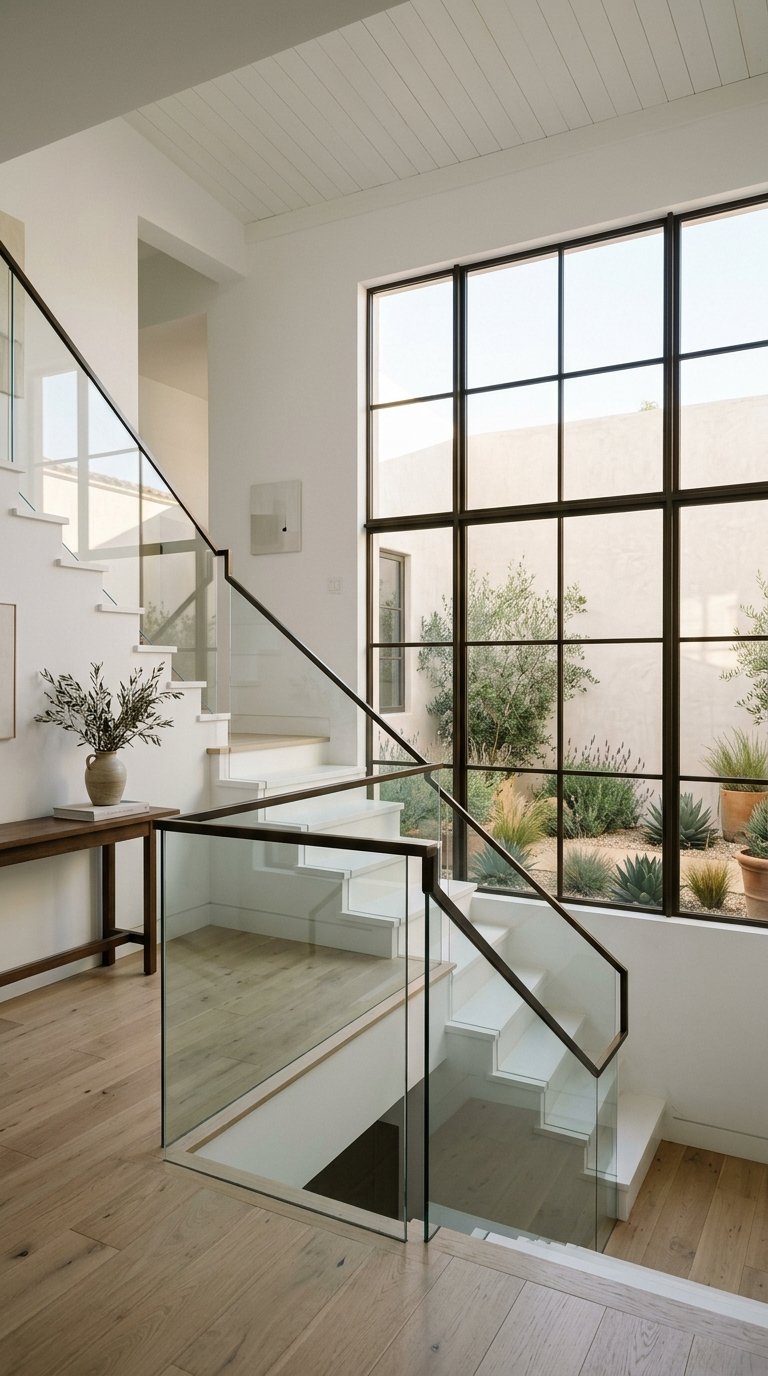
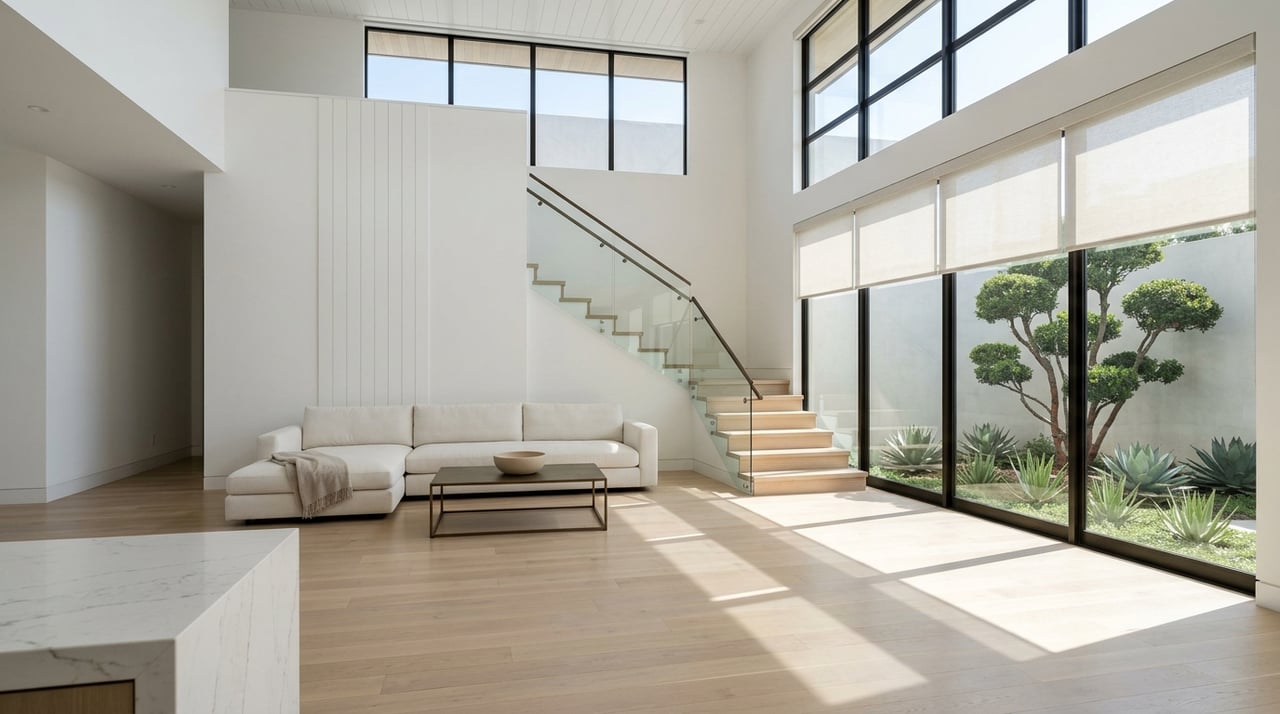
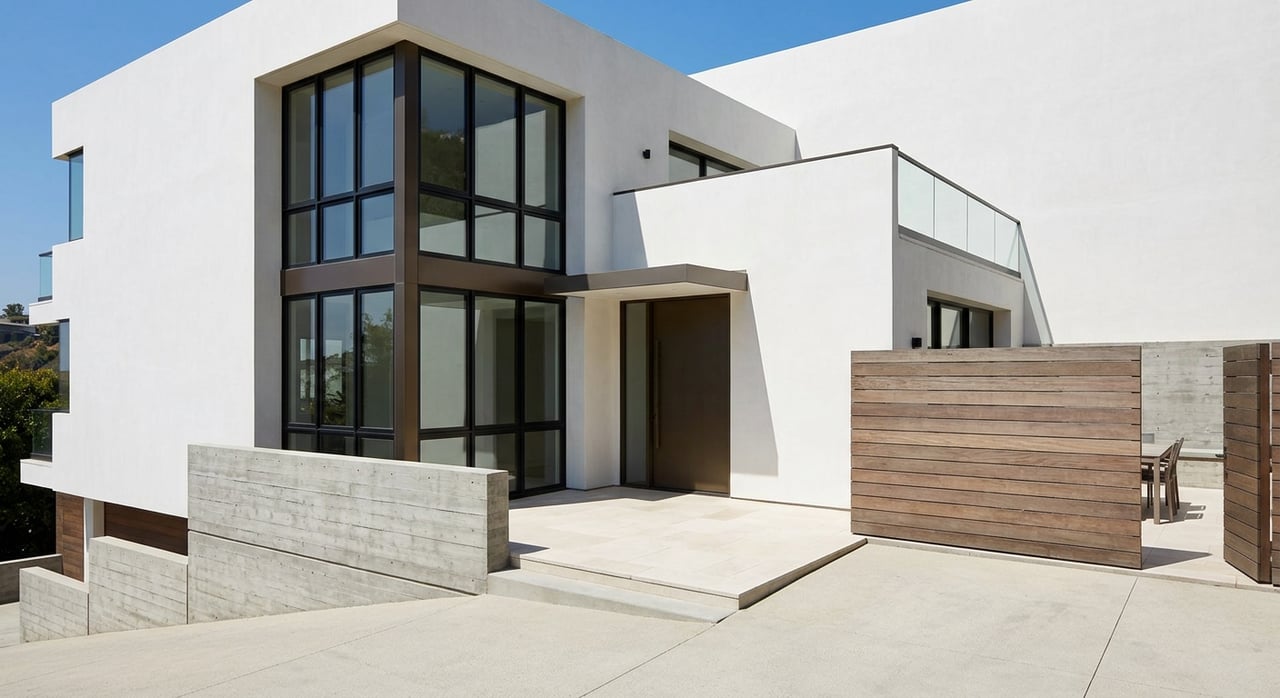
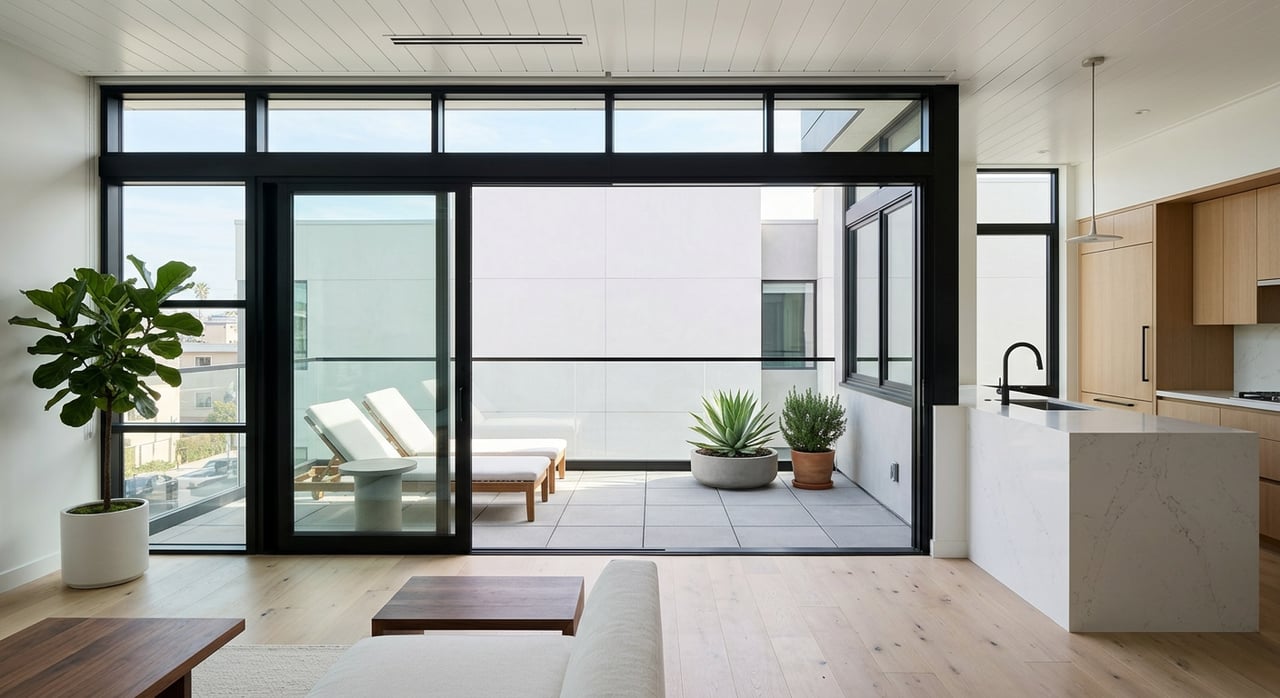
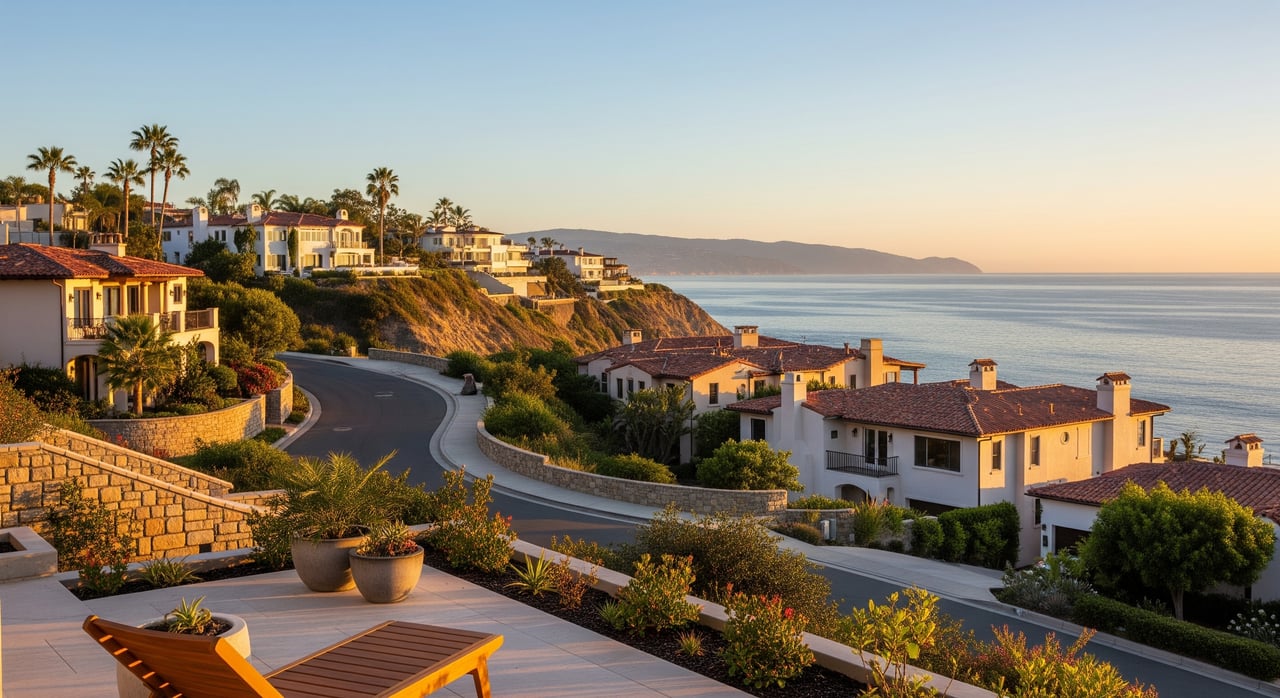
Monarch Beach features low turnover, higher price points, and a meaningful share of cash or second-home buyers. That mix tamps down extreme seasonality. A prime oceanfront or ocean-view home can attract interest any month if it is properly packaged and priced.
Access, HOA, and showings
Expect appointment-only showings, guest access protocols, and coordination with community management. HOA rules can affect exterior work and signage timing. Build those lead times into your launch plan.
Coastal risk and disclosures
Coastal homes can face flood and erosion considerations. Insurance costs and coverage terms may change with market conditions. Address these items early so they do not stall negotiations during escrow.
Marketing for oceanfront luxury
High-end coastal buyers respond to polished visuals and privacy-first access. Professional photography, twilight shoots, aerial footage, virtual tours, broker previews, and private showings often outperform standard open houses. Schedule photography when landscaping is fresh and beaches are less crowded to keep attention on the property.
Best timing scenarios
If you are selling
- Aim for late winter or spring to maximize exposure and competition for most properties.
- If you value privacy or have a unique luxury home, an off-season listing can work when paired with targeted digital marketing and private showings.
- Start prep early. In coastal pockets, the best trades book out weeks in advance.
If you are buying
- Late fall and winter often offer better leverage on price and terms.
- In spring and early summer, act decisively. Strong pre-approval, clear timelines, and clean offers help you compete.
- If you are an out-of-area or second-home buyer, line up virtual tours and plan short-notice visits during windows when standout listings hit.
Playbooks and timelines
Seller timeline for a spring launch
- 3 to 4 months out (Nov to Jan): Order a pre-listing inspection, line up repairs, gather HOA documents, and consult your insurance broker about renewals or transfer questions.
- 6 to 8 weeks out (Jan to Feb): Complete major repairs, paint, and landscape refresh. Schedule professional photography and video. Prepare disclosure packets.
- 2 to 4 weeks out: Stage, deep clean, finalize marketing assets, and set list price with your agent based on current comps.
- Launch window: Late February through April typically captures peak buyer traffic.
Seller timeline for a fall or winter sale
- 2 to 3 months out: Focus on targeted outreach. Consider broker-only previews and appointment-based showings. Price strategically and be ready for longer days on market.
Buyer game plan in off-peak months
- Secure pre-approval and proof of funds.
- Study comparable sales and trends so you can move quickly on value opportunities.
- Use flexibility on timelines and terms to negotiate price and concessions.
Buyer game plan in peak season
- Have a complete file with a strong pre-approval.
- Consider earnest money strength, shorter contingency periods, or escalation language as appropriate for the property and your risk tolerance.
- Line up inspectors in advance to avoid delays.
Negotiation leverage by season
- Late fall and winter often tilt toward buyers. With fewer competing offers, you can negotiate on price, repairs, and closing timelines.
- Spring and early summer often tilt toward sellers. Higher traffic and multiple-offer scenarios help preserve price and tighten terms.
- In Monarch Beach, ultra-low inventory can give sellers leverage year-round for special properties. Complex coastal disclosures can still slow a deal in any season, so preparation is critical.
Due diligence checklist
- Flood and coastal hazards: Confirm any flood zones, shoreline conditions, and known erosion or seawall responsibilities.
- HOA and CC&Rs: Review rules for rentals, design approvals, signage, and any special assessments.
- Insurance planning: Obtain quotes early. Understand deductibles and any wind or flood exclusions that affect affordability.
- Permitting and past work: Verify permits for decks, seawalls, grading, and other coastal-facing improvements.
- Taxes and assessments: Confirm property tax basis, any Mello-Roos or community facilities district obligations, and local assessments where applicable.
Final thoughts
Seasonality in coastal Orange County is real, but it is not a switch. Your property type, price point, and community rules can nudge the calendar in your favor. If you align your prep, marketing, and negotiation plan with the right window, you give yourself the best chance to reach the right buyers and secure strong terms.
If you are weighing when to list or when to write an offer in Monarch Beach, a conversation tailored to your goals goes a long way. Reach out to Connie for a discreet, data-informed plan that fits your timing and property. Connect with Connie Maxsenti to start the strategy.
FAQs
What months are best to list in Monarch Beach?
- Late winter through spring, roughly February to May, usually brings the most buyer traffic and competition. Luxury oceanfront homes can perform in off-peak months with the right marketing.
Does summer tourism lead to higher sale prices in coastal OC?
- Summer can boost visibility and open-house traffic, but it also brings more competing listings and tight vendor schedules. Pricing still depends on condition, presentation, and comps.
How does seasonality affect buyers seeking a deal in Monarch Beach?
- Late fall and winter often offer better leverage on price and terms, with fewer competing offers and more flexible timelines from motivated sellers.
Are closing timelines slower in winter for coastal properties?
- Not by default. Storms, insurance underwriting, or HOA board schedules can add time, and luxury deals can take longer due to inspections and due diligence.
How do HOA rules in gated enclaves change listing timing?
- Appointment-only access, signage limits, and architectural approvals can extend prep. Start earlier and plan broker previews to reach qualified buyers.
Should I get insurance quotes before I list or make an offer on a beach home?
- Yes. Coastal insurance costs and coverage terms can affect affordability and negotiations, so obtain quotes and review flood information early.